Key Requirements to Check with the Supplier Before Buying a Self Loading Stackers
2026-08-12 | Forklift Guides
Before finalizing a order with any supplier, please confirm:
-
Van Load-Lip Height (Altura de Carga): Check the height from the ground to the rear cargo bed of their van (typically 700 mm to 1,150 mm) so the self-loading mechanism can reach.
-
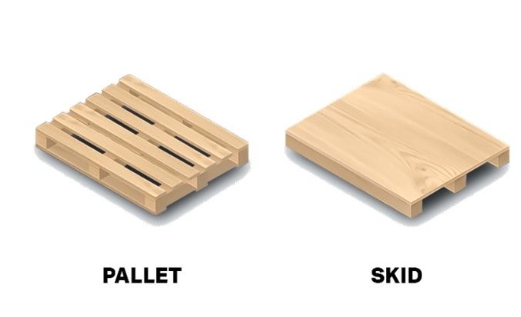
Pallet Style: Standard self-loading stackers work best with open-bottom pallets (Euro-pallets). If using closed-bottom (GMA/block) pallets, they may need a straddle-leg version.
Need help matching a specific van model (e.g., Sprinter, Transit, Master) to the right stacker height?
To choose the right self-loading stacker model, you need to match your vehicle's physical specs with the weight of the loads you move.
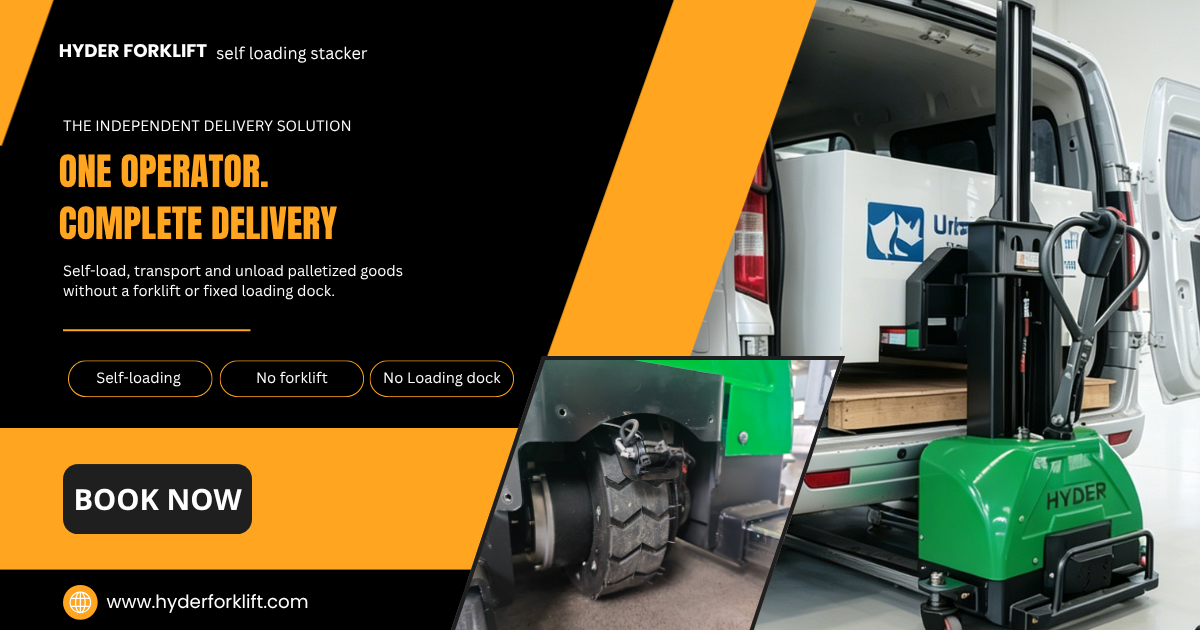
Step 1: Key Specifications Needed
1. Vehicle Loading Height (h2)
Measure the vertical distance from the ground to the cargo floor (rear bumper lip) of your van/truck when empty.
-
Small Vans / City Transporters (e.g., VW Caddy, Peugeot Partner): ~600 mm – 700 mm
-
Standard Vans (e.g., VW Transporter, MB Vito, Ford Transit Custom): ~700 mm – 900 mm
-
High-Roof Commercial Vans (e.g., MB Sprinter, Ford Transit L3/L4, Renault Master): ~900 mm – 1,150 mm
-
Box Trucks / Flatbeds / Chassis Cabs: ~1,150 mm – 1,300+ mm
2. Vehicle Ceiling Height & Door Opening
Ensure the lowered mast height of the stacker can pass through your rear door opening and sit inside the van cargo area.
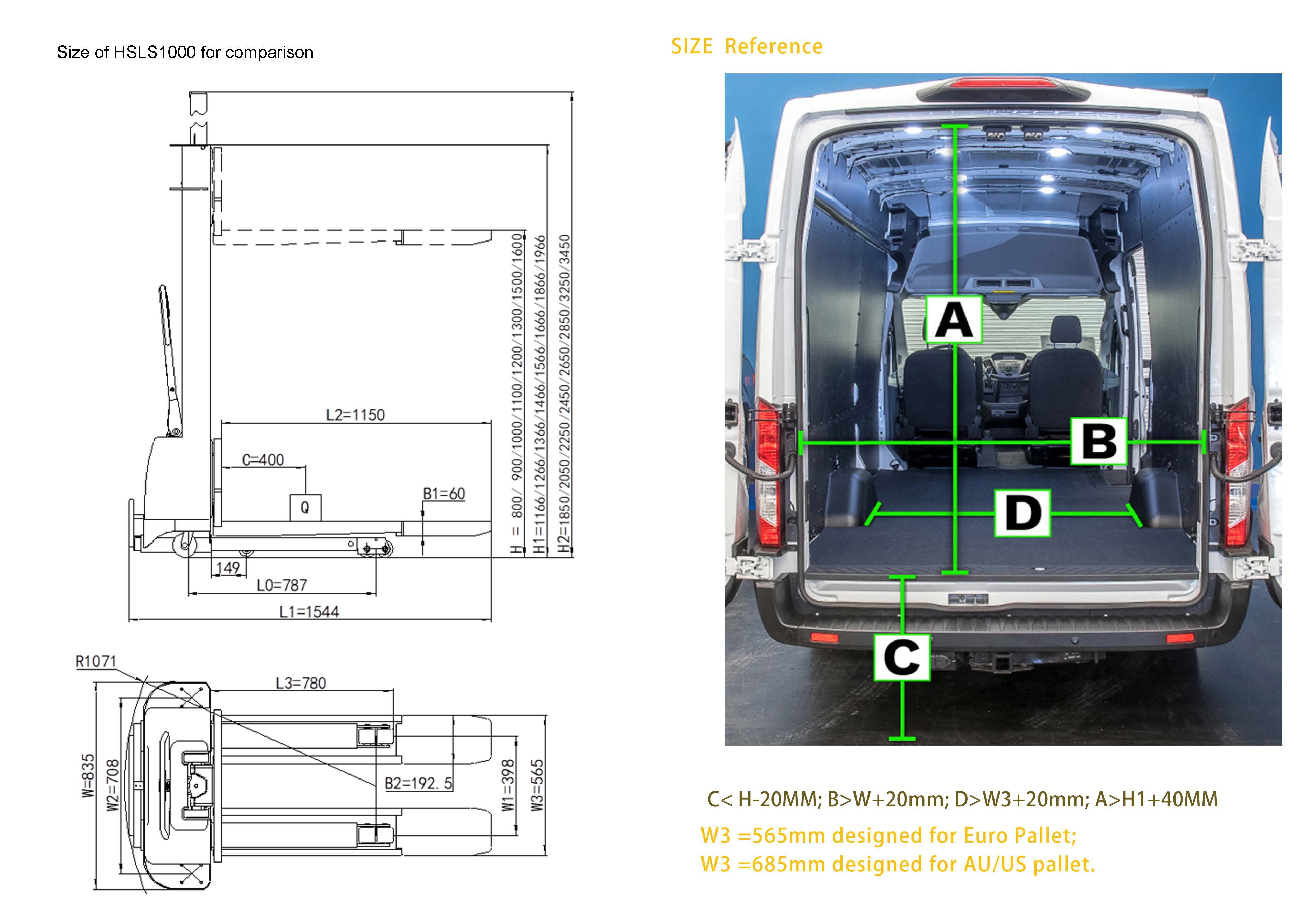
3. Maximum Load Capacity
-
Light Logistics: 300 kg – 500 kg
-
Medium Duty: 600 kg – 800 kg
-
Heavy Duty / Full-Pallet: 1,000 kg (1 Tonne)
4. Pallet Style
-
Standard Open-Bottom (Euro-Pallets / Skids): Use standard wrap-over fork models.
-
Closed-Bottom / GMA / Block Pallets: Requires a Straddle-Leg model so the outriggers clear the sides of the pallet.
Step 2: Model Category Quick Reference
Below is a guide using industry-standard benchmark models (such as the Innolift series) to help you choose:
| Vehicle Type | Cargo Floor Height | Recommended Capacity | Ideal Stacker Model Class |
| Small / City Van | Up to 700 mm | Up to 600 kg | Compact Class (e.g., HSLS500-800MM) |
| Medium Van (H1 Roof) | 700 mm – 900 mm | 600 kg | Mid-Height Class (e.g., HSLS/HSLF700 1000MM ) |
| Large Van (H2 Roof) | 900 mm – 1,150 mm | 500 kg – 1,000 kg | Extended Class (e.g., HSLS/HSLF700 /HSLF1000/HSLF1300- 1250MM) |
| Box Truck / Flatbed | 1,150 mm – 1,300 mm | 400 kg – 1,000 kg | High-Lift Class (e.g., HSLF1300/HSLF1500 with 1600mm mast) |
Important Things to Keep in Mind
-
Van Payload Allowance: A self-loading stacker weighs between 170 kg and 350 kg. Remember to subtract the stacker's own weight from your vehicle's total legal payload margin.
-
Semi-Electric vs. Self-Propelled:
-
Semi-Electric: Electric lift and lowering; manually pushed/pulled on flat warehouse or street surfaces.
-
Fully Electric (Self-Propelled): Driven by electric wheel motors; essential if loading 800 kg – 1,000 kg pallets or navigating inclines.
-
If you can share your van make, model, and year along with your maximum required pallet weight, I can provide a specific recommendation!
Related News
Struggling with Delivery and Transportation Challenges? The Hyder Portable Forklift Self-Loading Stacker is Your Solution!
In the world of logistics, transportation, and delivery, time is money. Whether you're managing small to medium-sized fleets, handling frequent deliveries, or dealing with space constraints, efficient material handling is essential. That’s where the Hyder Portable Forklift Self-Loading Stacker comes in – a game-changer for delivery and logistics companies facing labor shortages and tight spaces. With its compact size, portability, and ability to handle loads of up to 1500kg, this stacker is designed to optimize your delivery operations, saving both time and resources. Let’s explore why this stacker could be the perfect fit for your business.
Prepare Your HYDER Forklift for Fall: Maintenance Tips for Electric & Diesel Models
Get your HYDER forklifts fall-ready with essential maintenance tips for electric, diesel, and LPG models. Ensure optimal performance, safety, and efficiency during cooler months.
Maximizing Performance: The Impact of Drive Wheel Size on Electric Pallet Trucks
In the realm of electric pallet trucks, the significance of drive wheel size cannot be overstated. It's a pivotal factor that can either elevate or impede the efficiency and safety of operations. Let's delve into the multifaceted effects of drive wheel size on electric pallet trucks, focusing on the renowned "HYDER" 2-ton electric pallet trucks and how they can optimize your workflow while navigating through various terrains.


 GET YOUR FREE QUOTE