How to Load Heavy Items Into a Truck Without a Forklift
2026-02-26 | Forklift Guides
If you need to load 300kg–1500kg goods into a truck but don’t have a forklift or tail lift, the most efficient solution is a self-loading electric stacker. It allows one operator to lift cargo, move it, and climb onto the truck platform using its own powered lifting system. This eliminates manual lifting, reduces injury risk, and avoids installing expensive hydraulic tail lifts. Modern models are compact enough for vans and box trucks, and advanced rough-terrain versions can even operate on gravel or uneven ground.
For delivery businesses, furniture transport, appliance distribution, or construction material supply, this is the most flexible and cost-effective mobile loading solution available today.
Why Manual Truck Loading Becomes a Serious Problem
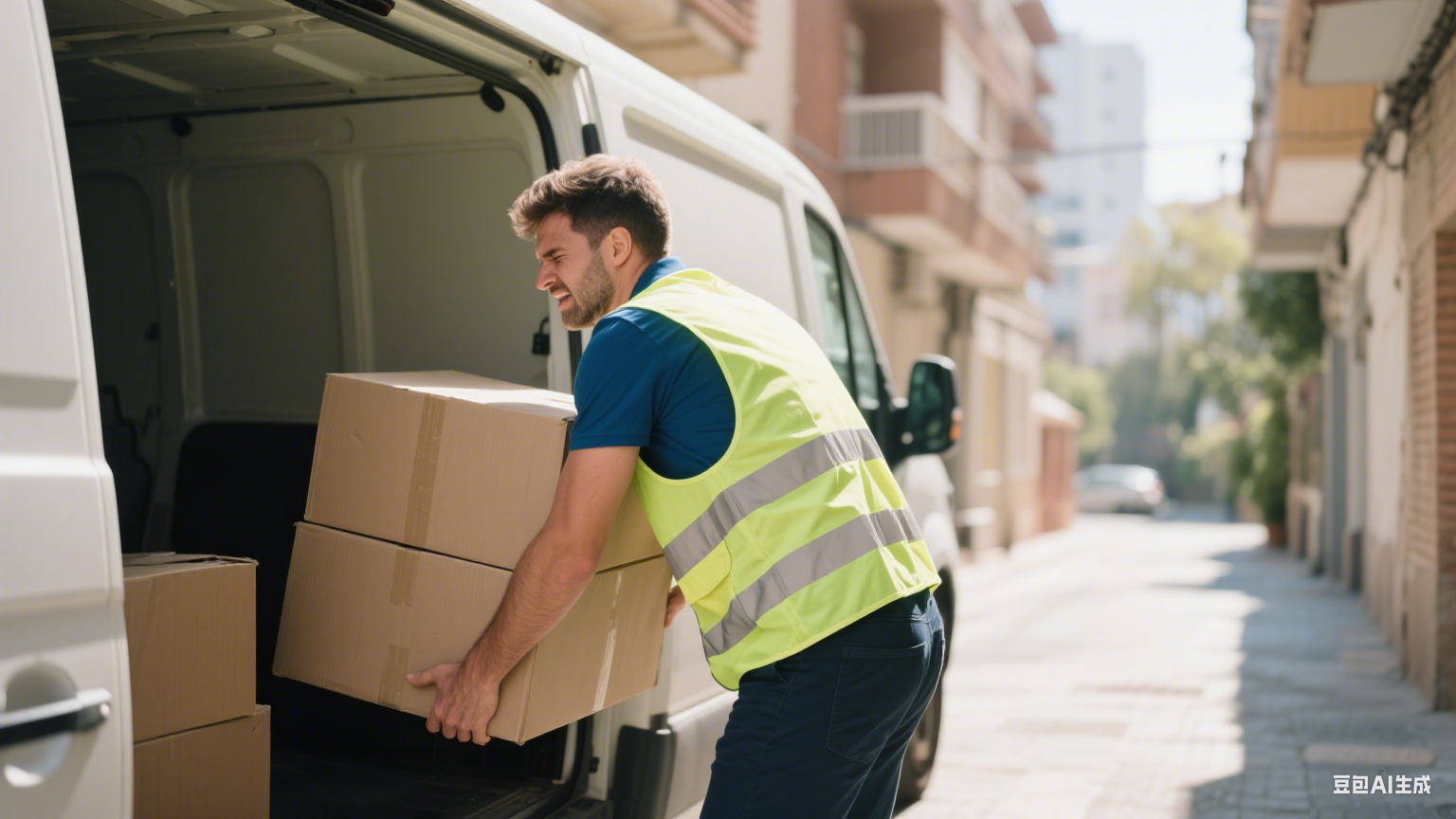
Many small and mid-sized delivery companies face these issues:
H3: 1. Worker Injury Risk
Repeated lifting of 300kg+ items increases:
-
Back injuries
-
Worker compensation costs
-
Staff turnover
H3: 2. Labor Shortage
Many deliveries now operate with:
-
Only one driver
-
No warehouse forklift at destination
-
No loading dock
H3: 3. Tail Lift Is Too Expensive
Installing a hydraulic tail lift:
-
Requires truck modification
-
Adds permanent weight
-
Costs significantly more
-
Cannot be easily transferred to another vehicle
This is where portable powered lifting equipment becomes attractive.
H2: What Equipment Can Replace Manual Loading?
When businesses search online, they typically ask:
-
“How to unload pallets without forklift?”
-
“Portable lift for delivery truck?”
-
“One man loading solution?”
-
“Alternative to tail lift?”
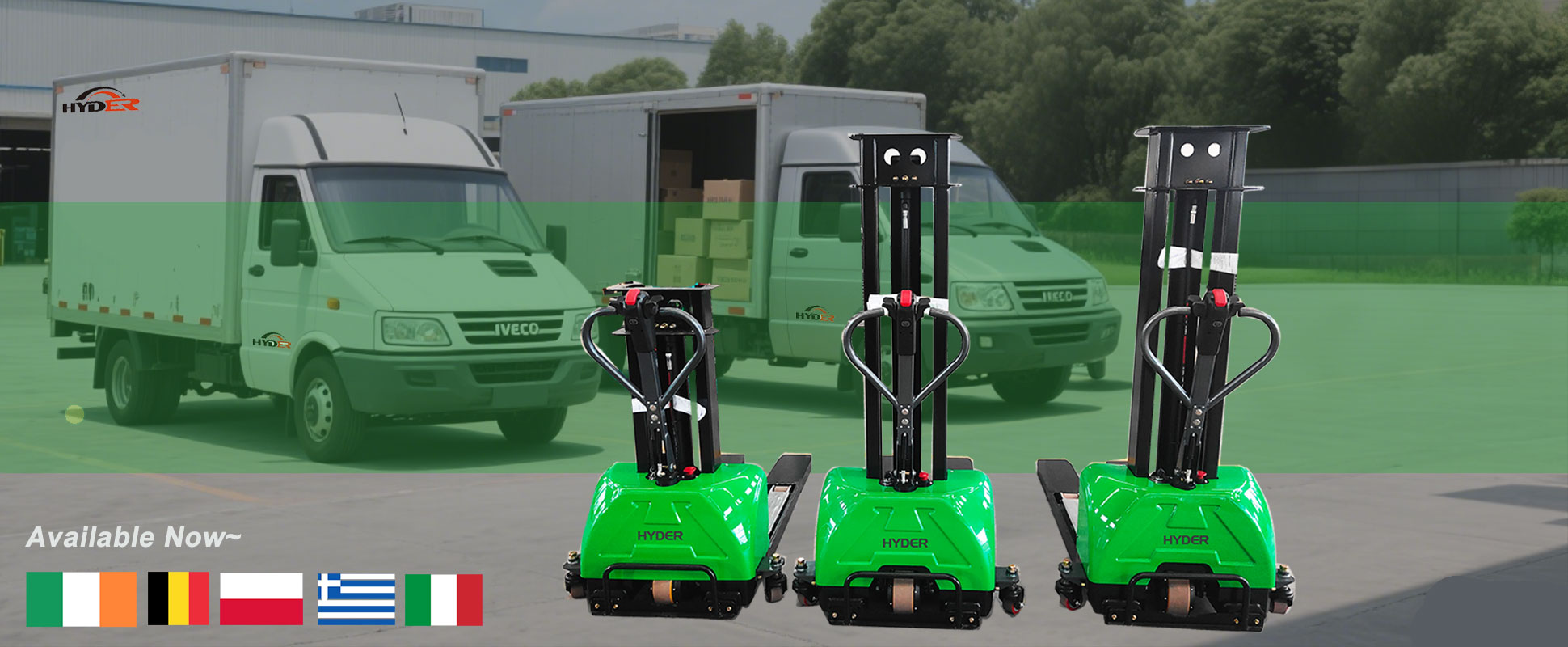
The practical answer is a self-loading stacker with:
-
300kg–1500kg capacity
-
Lift height matching truck bed (850mm–1650mm)
-
Electric lifting motor
-
Compact single-stage mast
-
Battery-powered mobility
Unlike warehouse stackers, these machines are designed to travel with the truck and assist in last-mile delivery.
H2: How a Self-Loading Stacker Works
H3: Step 1 – Lift the Cargo
The electric lifting motor raises the pallet to truck bed height.
H3: Step 2 – Climb Onto the Truck
The stacker uses its powered system to lift itself and move onto the truck platform.
H3: Step 3 – Secure and Transport
The machine travels inside the truck to assist at the delivery site.
One operator can complete the entire loading and unloading process.
H2: Who Needs This Type of Solution?
This equipment is ideal for:
-
Furniture delivery companies
-
Home appliance distributors
-
Beverage suppliers
-
Construction material delivery
-
Agricultural supply transport
-
E-commerce last-mile logistics
Especially when:
-
No forklift is available at destination
-
Ground conditions are not ideal
-
Only one worker is assigned
H2: What to Look for Before Buying
When choosing a self-loading stacker, consider:
H3: Load Capacity
Common ranges:
-
300kg / 500kg / 700kg (light duty)
-
1000kg / 1300kg (standard delivery)
-
1500kg (heavy-duty / rough terrain)
H3: Battery Type
-
Lead-acid (cost-effective, easier LCL shipping)
-
Lithium (lighter weight, better for distributor resale)
H3: Surface Conditions
If operating on gravel, construction sites, or rural areas:
-
Larger drive wheels
-
Reinforced bearing wheels
-
Remote control function
Rough terrain capability is critical for outdoor delivery operations.
H2: Final Thought
If your team is manually lifting heavy goods into trucks, the problem is not manpower — it is equipment structure. A properly selected self-loading electric stacker can:
-
Reduce labor dependency
-
Increase delivery efficiency
-
Lower injury risk
-
Replace expensive tail lift systems
-
Enable true one-person loading
For small and medium delivery businesses, this is not just lifting equipment — it is operational independence.
Related News
Struggling with Delivery and Transportation Challenges? The Hyder Portable Forklift Self-Loading Stacker is Your Solution!
In the world of logistics, transportation, and delivery, time is money. Whether you're managing small to medium-sized fleets, handling frequent deliveries, or dealing with space constraints, efficient material handling is essential. That’s where the Hyder Portable Forklift Self-Loading Stacker comes in – a game-changer for delivery and logistics companies facing labor shortages and tight spaces. With its compact size, portability, and ability to handle loads of up to 1500kg, this stacker is designed to optimize your delivery operations, saving both time and resources. Let’s explore why this stacker could be the perfect fit for your business.
Prepare Your HYDER Forklift for Fall: Maintenance Tips for Electric & Diesel Models
Get your HYDER forklifts fall-ready with essential maintenance tips for electric, diesel, and LPG models. Ensure optimal performance, safety, and efficiency during cooler months.
Maximizing Performance: The Impact of Drive Wheel Size on Electric Pallet Trucks
In the realm of electric pallet trucks, the significance of drive wheel size cannot be overstated. It's a pivotal factor that can either elevate or impede the efficiency and safety of operations. Let's delve into the multifaceted effects of drive wheel size on electric pallet trucks, focusing on the renowned "HYDER" 2-ton electric pallet trucks and how they can optimize your workflow while navigating through various terrains.


 GET YOUR FREE QUOTE